
The Hilarious Drama Every Multi-Pet Owner Knows Too Well
Key Takeaways
- Being a pet owner of multiple furry companions means living with endless entertainment, unexpected chaos, and the occasional household conspiracy.
- Every pet has a unique personality, from the attention-seeking diva to the food thief and the innocent-looking troublemaker.
- Managing multiple pets requires patience, consistent routines, individual attention, and an understanding of each animal’s needs.
- Recognizing signs of pet anxiety and tension between animals helps keep your home safe and harmonious.
- Learning how to be a responsible pet owner means balancing the fun of a full house with proper care, training, and plenty of love for every pet.
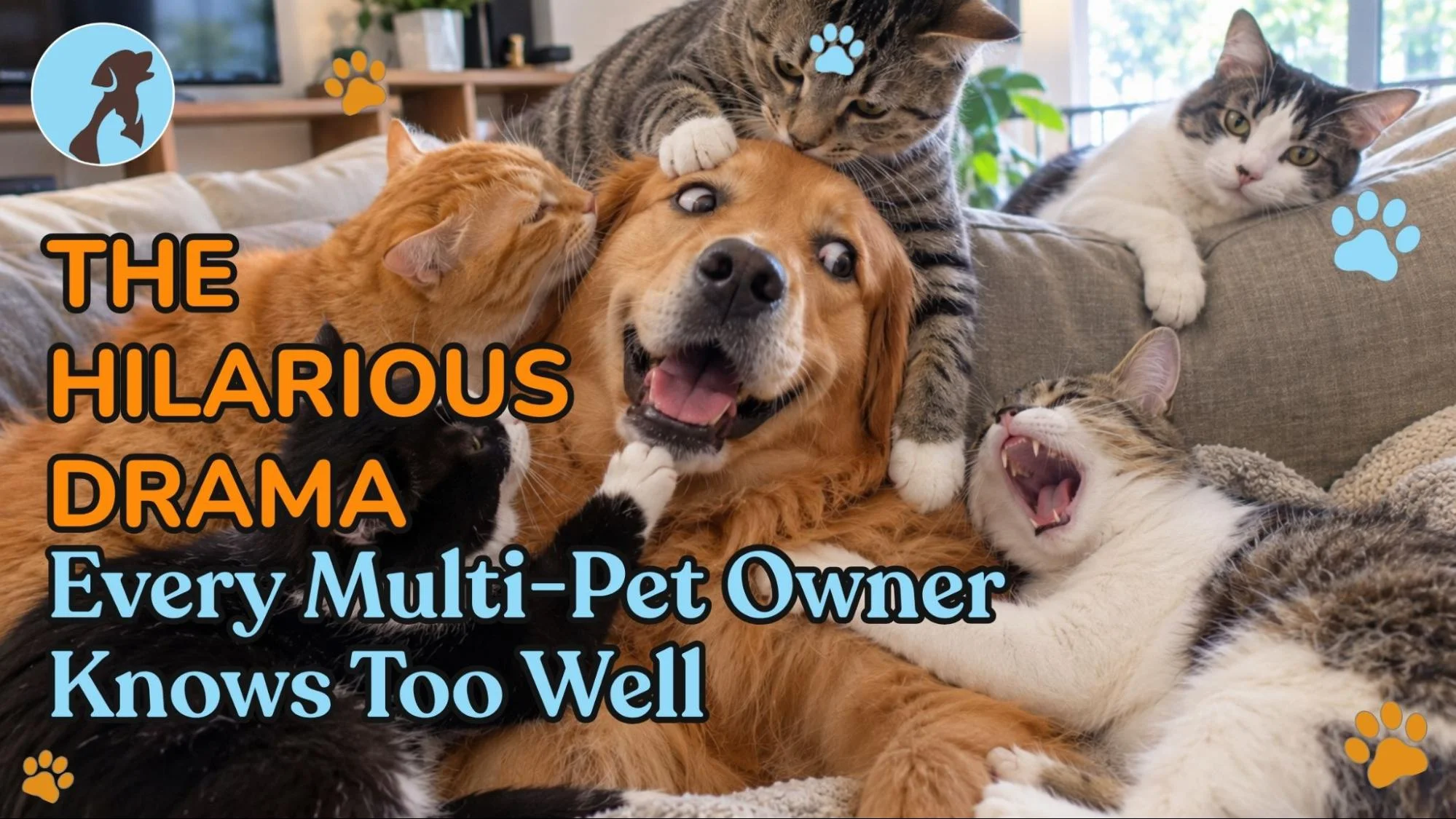
If you think having one pet is entertaining, try having two, three, or more. Suddenly, your home becomes a reality show where nobody follows the script, everyone wants the spotlight, and the smallest disagreement can turn into a full-blown dramatic production.
One pet is barking at absolutely nothing. Another has somehow stolen food from the kitchen counter despite being approximately half its height. Meanwhile, your third pet is sitting quietly in the corner, looking suspiciously innocent. You know someone caused the chaos, but good luck getting a confession.
Welcome to life as a multi-pet owner!
Sharing your home with multiple pets can be one of the most rewarding experiences imaginable. You get more cuddles, more hilarious moments, and more little personalities to fall in love with. But you also get competitive lap-sitting, mysterious missing socks, food-stealing incidents, and the occasional argument over who gets the best sleeping spot.
For pet owners with more than one animal, the daily routine can feel like managing a tiny, furry circus. And somehow, you’re the ringmaster, personal chef, therapist, security guard, and full-time snack distributor.
Let’s explore the hilarious drama every multi-pet household knows too well, along with practical ways to keep the peace without losing your sense of humor.
1. The Never-Ending Battle for Your Attention
You could be sitting comfortably on the couch, enjoying a rare moment of peace, when suddenly your pets decide you’ve been relaxing for far too long.
Your dog places a paw on your knee. Your cat jumps onto your laptop. Another pet begins making noises that suggest a life-threatening emergency, only to reveal that their food bowl is still one-quarter full.
Apparently, you are not allowed to have personal space anymore.
Why Does Every Pet Want to Be the Favorite?
Pets can compete for attention because they enjoy social interaction, companionship, and access to valued resources. Your attention can become one of those resources, especially when several animals share the same home.
Some pets are naturally more outgoing, while others prefer affection on their own terms. A confident dog might demand belly rubs in the middle of your video call, while a shy cat waits until the room is quiet before approaching.
These differences are part of what makes having multiple pets so entertaining.
How to Keep the Peace
Give each pet individual attention instead of expecting everyone to share every moment.
Try these simple strategies:
- Schedule short, one-on-one play sessions throughout the day.
- Give each pet affection in ways they enjoy, whether that’s cuddling, brushing, walking, or playing.
- Reward calm behavior instead of allowing pushy attention-seeking to become the only way to get noticed.
- Make sure quieter pets have opportunities to interact with you without being interrupted by more demanding housemates.
Remember, fairness doesn’t always mean giving every pet the exact same thing. It means meeting each animal’s individual needs.
And yes, you may still have to explain to your cat that the laptop is not a rival for your affection. Good luck with that.
2. The Great Food Bowl Conspiracy
If there’s one thing that can turn otherwise peaceful pets into strategic masterminds, it’s food.
Your dog finishes dinner in twelve seconds and immediately investigates the cat’s bowl. Your cat watches the entire operation unfold, looking deeply offended. Meanwhile, another pet has discovered that sitting near the kitchen whenever you open the refrigerator produces surprisingly good results.
Suddenly, mealtime feels less like feeding animals and more like managing a highly organized food-smuggling operation.
Why Pets Steal Each Other’s Food
Food stealing can happen because animals have different appetites, feeding habits, and motivations. Some eat quickly, some graze throughout the day, and others simply find whatever is in another bowl more interesting.
However, stealing food isn’t always harmless. Dogs and cats have different nutritional requirements, and certain foods that are safe for one species can be unsuitable or dangerous for another.
Repeated food stealing can also contribute to overeating, weight gain, and tension between pets.
Tips for a Drama-Free Mealtime
Keep meals predictable and make it harder for your pets to raid each other’s portions.
- Feed pets in separate areas when necessary.
- Use baby gates, closed doors, or designated feeding spaces to separate animals.
- Supervise meals when one pet regularly steals food from another.
- Measure portions according to each pet’s nutritional needs.
- Pick up leftover food when appropriate, particularly if one pet follows another around looking for unfinished meals.
If your cat needs to graze throughout the day, consider a feeding area your dog cannot access.
A little planning can prevent a lot of drama. After all, you’re a pet owner, not a referee at an all-you-can-eat buffet.
3. The Sibling Rivalry Nobody Warned You About
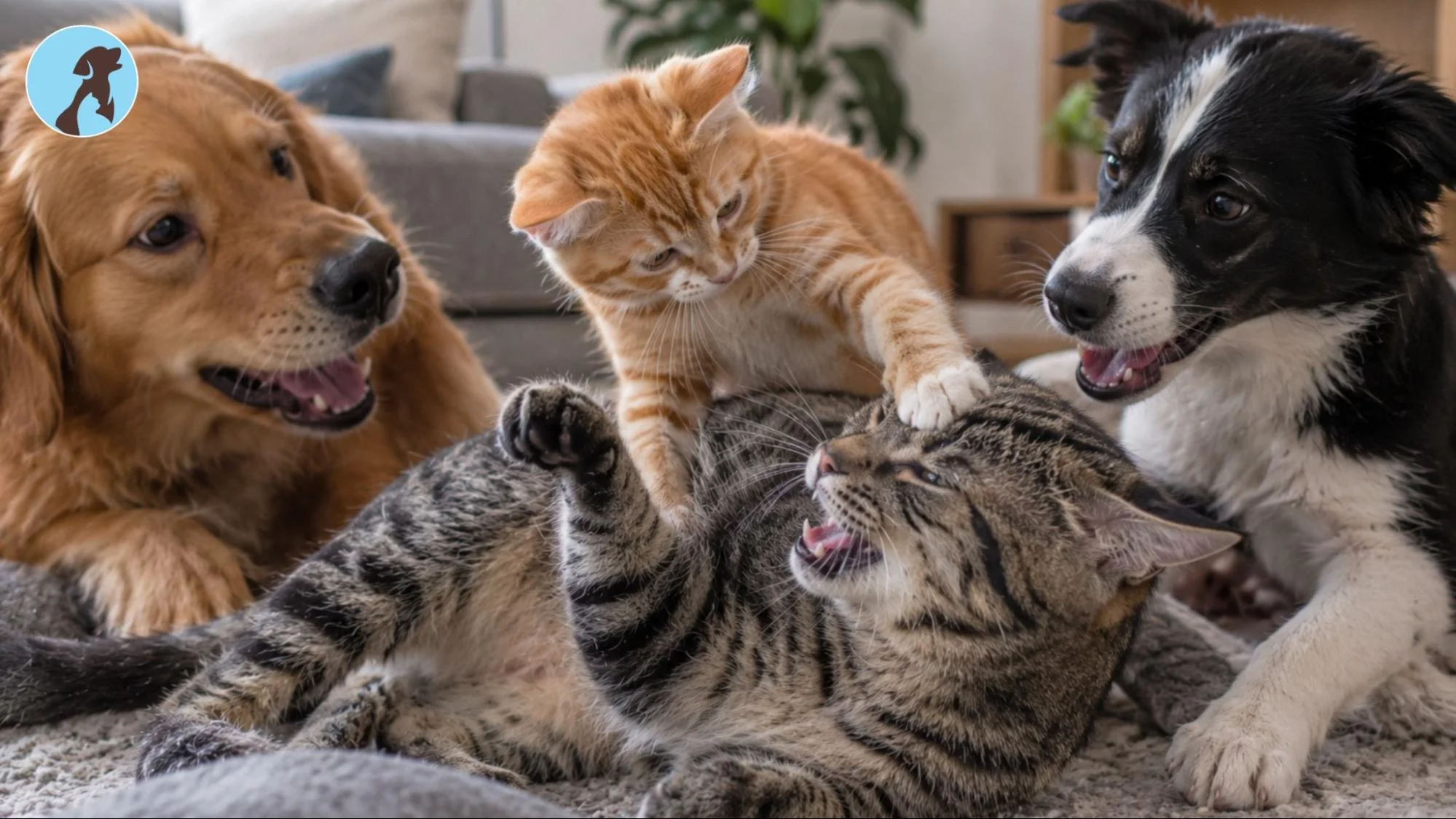
You buy two identical beds, two toys, and two comfortable blankets because you believe in fairness.
Your pets, naturally, believe in theft.
The dog ignores its expensive new bed and squeezes into the cat’s tiny cushion. The cat claims the dog’s favorite toy. Then both animals decide that the one empty spot beside you is the most valuable piece of real estate in the entire house.
Sound familiar?
Do Pets Actually Get Jealous?
Pets can display behaviors that look like jealousy, such as pushing between an owner and another animal, seeking attention when another pet receives affection, or guarding a favored resting place.
However, these behaviors can have several explanations, including competition for resources, learned attention-seeking, insecurity, and stress. We shouldn’t assume that every dramatic reaction reflects the same emotion humans experience.
The important thing is to observe what happens before and after the behavior.
Does one pet become tense whenever another approaches its food? Does a dog repeatedly block a cat from reaching a favorite resting spot? Does a normally relaxed animal suddenly hide when a new pet enters the room?
These clues can help you identify what’s causing the conflict.
How to Reduce Competition
Create a home where every animal has access to essential resources without having to compete.
For example:
- Provide separate beds and comfortable resting spaces.
- Place food and water bowls in appropriate locations.
- Give cats elevated spaces and escape routes away from dogs.
- Provide enough toys to reduce unnecessary competition.
- Reward calm interactions between pets.
For cats, the general recommendation is to provide one litter box per cat, plus one extra, with boxes placed in suitable locations. In multi-cat households, this can help reduce competition and litter box problems.
Most importantly, never force pets to share a bed, toy, or personal space just because you think they should be best friends.
Sometimes, peaceful roommates are the best kind of roommates.
4. The Mystery of the Missing Toy
Every multi-pet household eventually develops its own cold case.
A favorite toy disappears. A slipper is found under the dining table. A suspicious trail of shredded stuffing leads directly to a dog who refuses to make eye contact.
The cat, meanwhile, is sitting on top of the refrigerator, clearly enjoying the investigation.
Living with multiple pets means accepting that some household mysteries will never be solved.
Why Pets Get Into So Much Trouble
Sometimes, the culprit isn’t just curiosity or boredom. Pet anxiety can also contribute to destructive behavior, excessive barking, or restlessness, especially when pets struggle with being left alone or adjusting to changes in their environment.
Boredom, curiosity, excess energy, and natural instincts can all influence pet behavior.
Dogs may chew objects because they enjoy chewing, need stimulation, or feel anxious when left alone. Cats may knock items off shelves, chase moving objects, or explore cupboards because those activities satisfy their natural curiosity and hunting instincts.
Other pets may simply have learned that certain behaviors earn an exciting reaction from their humans.
If every stolen sock results in a dramatic chase around the house, your dog might decide that sock theft is an excellent new hobby.
Turn Chaos Into Better Habits
The goal isn’t to eliminate every playful behavior. It’s to provide safe outlets for your pets’ energy and curiosity.
Try rotating toys to keep them interesting, providing puzzle feeders, scheduling regular playtime, and offering appropriate chew toys for dogs.
Keep dangerous objects, medications, cleaning products, and small items out of reach. Supervise interactions with toys that could be swallowed or become choking hazards.
If a pet repeatedly destroys objects or becomes unusually restless, consider whether its exercise, enrichment, environment, or health needs are being met.
And perhaps keep your favorite slippers somewhere less accessible. Sometimes, prevention is the most effective form of detective work.
5. When the Drama Isn’t Funny: Pet Anxiety and Stress
Most pet-related chaos is harmless, but not every behavior deserves a laugh.
A pet that constantly hides, trembles, growls, pants excessively, or refuses to eat may be experiencing stress or an underlying medical problem. In a household with multiple pets, tension can develop when animals feel crowded, threatened, or unable to access important resources.
Signs of Pet Anxiety to Watch For
Although anxiety looks different in every animal, possible warning signs include:
- Persistent pacing, trembling, or excessive vocalization.
- Hiding or avoiding certain areas of the home.
- Destructive behavior, particularly when left alone.
- Changes in appetite, sleep, or normal routines.
- Repeated licking, grooming, or other stress-related behaviors.
- Growling, lunging, or other escalating conflict between pets.
- Changes in litter box habits or inappropriate elimination.
These signs don’t automatically mean a pet has an anxiety disorder. Pain, illness, environmental changes, and other factors can produce similar behaviors.
How to Help a Stressed Pet
Start by identifying what might be triggering the behavior.
Is another pet blocking access to food or a resting area? Has the household routine changed? Is one animal constantly following another that wants to be left alone?
Give each pet a safe place to retreat, maintain predictable routines, and avoid forcing interactions.
If two animals are fighting, separate them safely rather than reaching between them with your hands. Seek veterinary advice for persistent anxiety, sudden behavior changes, or aggression. A veterinarian or qualified animal behavior professional can help develop an appropriate plan.
Being a caring pet owner means recognizing when your pet needs more than a cuddle and a reassuring speech.
6. How to Be a Responsible Pet Owner in a House Full of Personalities
It’s easy to laugh about household chaos, but caring for multiple animals comes with real responsibilities.
Every pet deserves proper nutrition, veterinary care, exercise, mental stimulation, and a safe environment. Those needs don’t disappear simply because your household is busy or one particularly charming pet keeps stealing everyone’s attention.
Build a Routine That Works for Everyone
A consistent routine can make life easier for both pets and people.
Start with these essentials:
- Nutrition: Provide species-appropriate food and portions based on age, size, activity, and health.
- Veterinary care: Keep up with wellness examinations, vaccinations, parasite prevention, dental care, and other recommended treatments.
- Exercise and enrichment: Match activities to each animal’s needs, whether that means daily walks, interactive play, sniffing games, or climbing opportunities.
- Training: Use positive reinforcement to encourage desirable behaviors and establish clear, consistent boundaries.
- Hygiene: Clean litter boxes, wash bedding, groom pets as appropriate, and maintain sanitary feeding areas.
- Financial planning: Budget for food, routine care, medications, supplies, and unexpected veterinary expenses.
- Safe introductions: Introduce unfamiliar animals gradually, allowing them time to become comfortable with one another.
Know Your Own Limits, Too
One of the most important pet owner traits is understanding that love alone cannot meet every practical need.
Before adding another animal to your family, consider your available space, schedule, finances, and ability to provide individual care.
A new pet may bring wonderful companionship, but it can also increase competition, stress, and household expenses. Make introductions thoughtfully, and be prepared to seek professional guidance if existing pets struggle to adjust.
Responsible pet ownership isn’t about having the biggest collection of animals or buying the fanciest accessories.
It’s about ensuring that every animal in your care can live a safe, healthy, and fulfilling life.
7. The Unexpected Joy of Living With Multiple Pets
Despite the stolen toys, suspicious food bowl incidents, and occasional household negotiations, sharing your life with multiple pets can be incredibly rewarding.
You get to watch different personalities develop relationships, discover new favorite activities, and sometimes form surprisingly sweet friendships.
One pet might comfort another during a thunderstorm. Two cats that once avoided each other might eventually nap in the same sunny spot. A playful dog might learn to move more gently around an older animal.
These moments remind us that pets aren’t just sources of entertainment. They’re individuals with their own preferences, boundaries, and ways of connecting with the world.
The Little Moments Make It Worthwhile
It’s the synchronized head tilts when you open a snack packet. The enthusiastic greetings when you return home. The quiet evening when every pet finally settles down and your living room looks almost normal.
Almost.
Because just when you think you’ve achieved household peace, someone knocks over the water bowl.
And somehow, you find yourself laughing instead of getting upset.
That may be one of the most relatable pet owner traits of all: learning to embrace the unpredictability while doing your best to keep everyone happy and healthy.
Conclusion
Life with multiple pets is equal parts comedy, companionship, and constant problem-solving. Every day brings another episode, whether it’s a dramatic disagreement over a sleeping spot or a suspiciously coordinated attempt to get extra treats.
But beneath all the chaos is something genuinely special: the opportunity to care for several unique animals and build a home where each one feels safe, loved, and understood.
Being a responsible pet owner doesn’t mean creating a perfectly peaceful household every minute of the day. It means recognizing each pet’s needs, preventing avoidable conflicts, and knowing when a funny moment calls for a little more attention.
So, the next time your pets turn an ordinary Tuesday into a furry soap opera, take a breath, check that everyone is safe, and remember: you may not control the plot, but you’re helping create a happy ending.
Now, if you’ll excuse us, there’s probably a cat sitting on someone’s dinner.
Frequently Asked Questions
Is having multiple pets harder than having one pet?
It can be. Multiple pets require additional time, money, supervision, and attention to individual needs. However, with appropriate preparation, routines, and compatible animal personalities, a multi-pet household can be very rewarding.
How can I stop my pets from fighting over food and toys?
Provide separate feeding areas, enough resources, and safe resting spaces. Supervise interactions when necessary and reward calm behavior. If fighting becomes frequent or intense, separate the animals safely and consult a veterinarian or qualified behavior professional.
What are common pet owner traits?
Responsible pet owners tend to demonstrate patience, consistency, empathy, observation, and a willingness to learn. They understand their pets’ individual needs, provide appropriate veterinary care, and recognize when a behavior change requires attention.
How do I know if my pet has anxiety?
Possible signs include excessive vocalization, hiding, trembling, pacing, destructive behavior, appetite changes, and unusual aggression. These signs can also indicate illness or pain, so consult a veterinarian if they persist, appear suddenly, or interfere with your pet’s daily life.
How can I be a responsible pet owner with a busy schedule?
Create predictable feeding and exercise routines, provide appropriate enrichment, arrange reliable care when you’re away, and schedule regular veterinary visits. Choose activities that fit your pets’ individual needs, and avoid taking on more animals than you can comfortably care for.