
Why Dogs Love Car Rides: Quirky Dog Behavior Explained
Key Takeaways
- Dogs often associate car rides with fun destinations such as parks, walks, beaches, or visits with their favorite people.
- A moving car gives dogs an enormous amount of sensory information through sights, sounds, and especially smells.
- Car rides can satisfy a dog’s natural curiosity and desire to explore.
- Not every dog loves traveling in a car. Anxiety, motion sickness, or previous negative experiences can change their reaction.
- Safe, positive car experiences can help dogs become more comfortable travelers.
The moment you grab your keys, your dog suddenly becomes a professional detective.
You were just going to the grocery store. Your dog, however, has already sprinted to the door, wagging their entire body and staring at you like, “You said the magic word. Where are we going?”
For many dogs, car rides are more than transportation. They are an exciting combination of movement, smells, sights, fresh air, and the possibility that something wonderful is waiting at the other end. But why do some dogs absolutely lose their minds with excitement the second they see the car?
The answer comes down to a fascinating mix of dog behavior, learned associations, sensory stimulation, and individual dog traits.
Understanding dog behavior can help explain why your pup treats a five-minute drive like the greatest adventure of their life.
Why Do Dogs Love Car Rides So Much?
There is no single reason every dog loves car rides. Their excitement usually comes from several things happening at once.
1. The Car Means Adventure
Dogs are creatures of association.
If every time you say, “Want to go for a ride?” your dog ends up at the dog park, hiking trail, pet-friendly café, or Grandma’s house, they quickly connect the car with good things.
The car itself becomes a predictor of adventure.
This is classic learned behavior. Your dog doesn’t necessarily understand the concept of going somewhere the way humans do, but they recognize the pattern:
Keys → leash → car → exciting destination.
And once your dog figures out that pattern, good luck pretending you’re only going to the gas station.
2. The World Smells Amazing From a Car
Dogs experience the world through their noses.
While humans might notice traffic, buildings, and scenery during a drive, your dog is processing a constantly changing buffet of smells.
There are:
- Other animals
- Food
- Trees and plants
- Other dogs
- People
- Cars
- Neighborhoods
- Parks
- Interesting mystery smells that apparently require immediate investigation
Even with the windows closed, your dog can experience plenty of new scents. When a window is slightly open, the sensory experience can become even more stimulating.
From your dog’s perspective, the neighborhood you’ve driven through 200 times may be completely different every single time.
3. Car Rides Give Dogs Something to Watch
Dogs are naturally curious.
A moving car gives them a constantly changing view of the world. People walk past. Dogs appear. Birds fly overhead. Cars come and go. Trees, houses, and signs seem to move past at impressive speed.
For a curious dog, that’s basically live television.
Some dogs sit upright and stare out the window like they’re contemplating the meaning of life. Others bounce between seats trying to keep track of everything.
That behavior isn’t necessarily random. Your dog is gathering information about their environment.
4. They Get to Spend Time With You
Here’s a simple explanation that can sometimes get overlooked: your dog likes being with you.
For many dogs, a car ride means uninterrupted time beside their favorite human.
You aren’t working at your desk. You’re not cooking dinner. You’re not folding laundry. You’re right there.
Even if you’re driving somewhere completely ordinary, your dog may simply enjoy the companionship.
This is one reason positive shared experiences are so important when understanding dog behavior.
The Window Is Basically a Dog’s Information Channel
If your dog loves sticking their nose toward an open car window, they’re not just enjoying the breeze.
They’re collecting information.
A dog’s sense of smell is extraordinarily sensitive, and moving air carries scents from different directions. As the car travels, your dog gets access to an ever-changing stream of information.
It’s a little like humans scrolling through social media, except your dog’s feed consists of:
“A dog walked here yesterday.”
“Someone cooked chicken three houses ago.”
“There is definitely a squirrel somewhere.”
“I must investigate.”
Of course, allowing a dog to hang their head out of a moving vehicle isn’t safe. Flying debris, sudden movements, and traffic can cause serious injuries.
For safer car rides for dogs, keep your pup properly restrained and enjoy the smells without turning the trip into an action movie.
Why Some Dogs Get Excited Before the Car Even Moves
Have you noticed your dog getting excited as soon as you approach the vehicle?
That’s learned anticipation.
Dogs are excellent at recognizing routines and environmental cues. Your pup may have learned that certain actions happen immediately before a car ride.
For example:
You pick up the car keys → the dog gets excited.
You grab the leash → dog runs to the door.
You open the car door → tail starts wagging at maximum speed.
Eventually, the cue itself can trigger excitement.
This is similar to how dogs may become excited when they hear the food container open—even before dinner actually appears.
Their brain has learned, “I know what happens next!”
Why Dogs May Prefer Certain Car Rides
Not all car rides are equally exciting.
Think about the difference between these two trips:
Trip #1: Car → veterinary clinic → examination → thermometer.
Trip #2: Car → park → sniffing → running → treats.
Your dog may develop very different emotional reactions to each one.
This is why some dogs practically launch themselves into the car while others suddenly become extremely interested in pretending they have never seen a vehicle before.
Their past experiences matter.
If most car rides have been positive, your dog may associate the vehicle with excitement. If they’ve mostly involved stressful destinations, they may become nervous as soon as the engine starts.
What If Your Dog Doesn’t Like Car Rides?
Not every dog is a fan of traveling.
Some dogs experience motion sickness, while others may feel anxious because they aren’t accustomed to the movement or sounds of a vehicle.
Signs of car anxiety or discomfort can include:
- Excessive drooling
- Panting
- Whining
- Trembling
- Restlessness
- Lip licking
- Refusing to enter the car
- Vomiting
- Trying to escape or hide
If your dog consistently becomes distressed during car rides, don’t simply assume they’re being difficult.
Their reaction may be telling you that something about the experience feels uncomfortable or frightening.
How to Make Car Rides More Positive
Start small.
Instead of immediately taking your dog on a two-hour road trip, help them build positive associations gradually.
Try:
- Letting your dog sit in the parked car with you.
- Giving treats and praise while they remain relaxed.
- Taking very short drives around the neighborhood.
- Visiting enjoyable places after short trips.
- Gradually increasing travel time as your dog becomes comfortable.
Keep the experience calm and positive.
If your dog becomes extremely anxious or experiences frequent motion sickness, talk with your veterinarian for guidance.
How to Make Car Rides Safer for Dogs
Excitement shouldn’t come at the expense of safety.
For safer car rides for dogs:
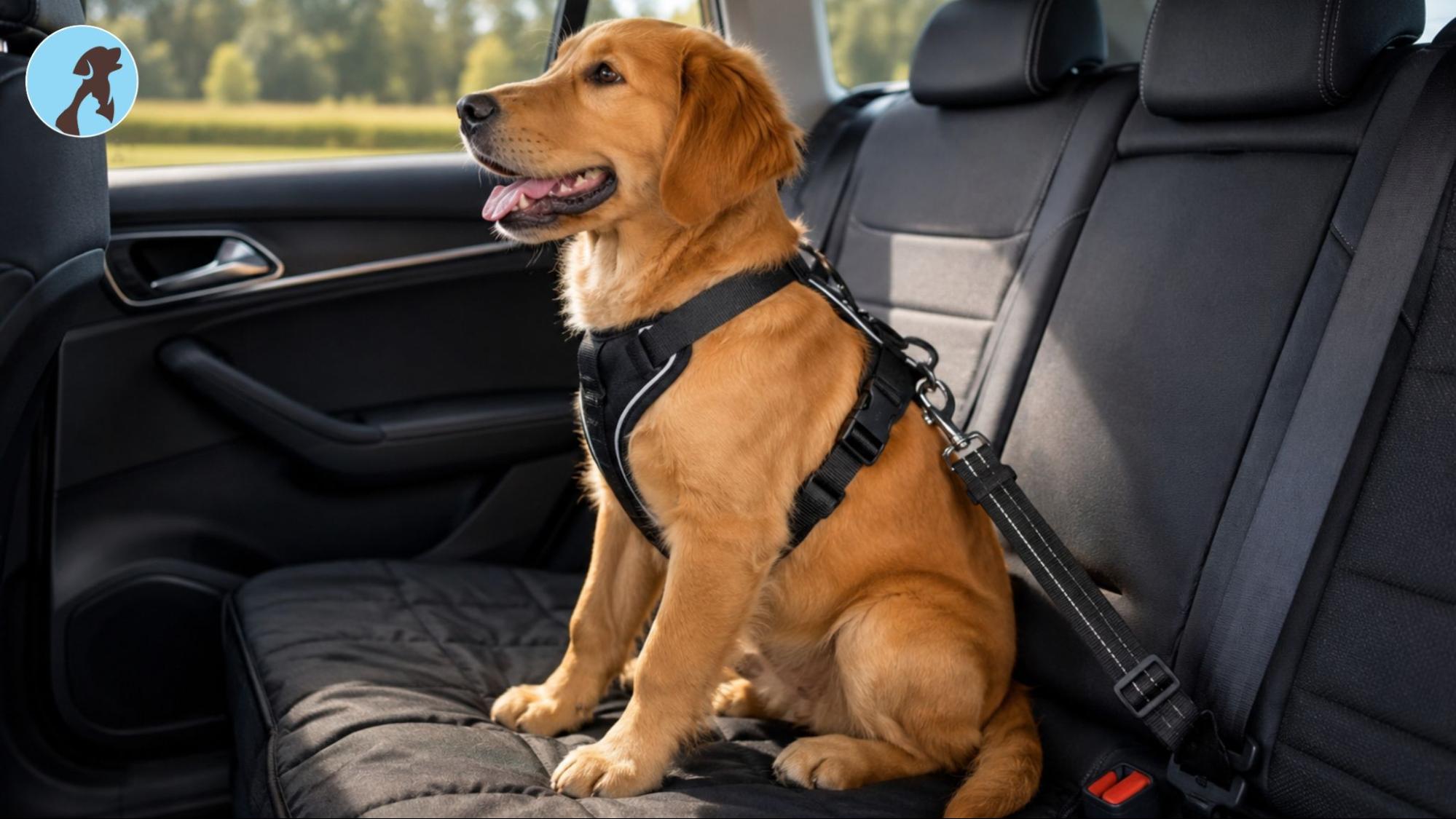
- Use a properly fitted crash-tested harness, travel crate, or secured carrier when appropriate.
- Never allow your dog to ride loose in the vehicle.
- Avoid letting dogs ride in the front passenger seat because airbags can seriously injure them.
- Keep doors and windows secured.
- Don’t allow your dog to stick their head out of a moving window.
- Never leave a dog alone in a parked car, especially in hot weather.
- Bring water for longer journeys.
- Take breaks during extended trips.
A safe dog is a happy traveling companion and much less likely to become an unexpected backseat driver.
Car Rides Can Be Great Outdoor Activities for Dogs
One reason dogs enjoy car rides is that the journey often leads to something they naturally love: exploring.
A drive to a new walking trail, beach, park, or pet-friendly destination can turn an ordinary day into an exciting adventure.
Dogs benefit from opportunities to sniff, explore different environments, and experience new sights and sounds. These experiences can provide mental stimulation in addition to physical activity.
That means the car ride itself may be only part of the fun.
For your dog, the real reward could be what happens when the car finally stops.
What Your Dog’s Car-Ride Personality Says About Them
Individual dog traits can influence how a pup reacts to traveling.
The enthusiastic traveler may be:
The Explorer:
Eyes wide, nose working, ready to investigate everything.
The Social Butterfly:
More interested in where you’re going and who you’re going to see.
The Window Watcher:
Completely fascinated by the outside world.
The Professional Passenger:
Curled up comfortably as if they’ve been commuting for years.
The Nervous Traveler:
Unsure about the movement, noise, or unfamiliar experience.
None of these personalities automatically means something is wrong. Dogs, like people, have individual preferences and comfort levels.
That’s why paying attention to your dog’s body language is an important part of understanding dog behavior.
Understanding Dog Behavior: It’s All About Associations
So, why does your dog go crazy when you ask, “Want to go for a car ride?”
It may not be because they specifically love sitting inside a vehicle.
They may love what the vehicle represents.
A car ride can mean:
Adventure. Exploration. New smells. Quality time. Exercise. A favorite destination.
And sometimes, it simply means something interesting is about to happen.
Once you start looking at car rides through your dog’s perspective, their excitement makes a lot more sense.
Conclusion
To us, a car ride might be a boring trip across town.
To a dog, it’s an adventure packed with smells, movement, sounds, scenery, and the possibility of something wonderful at the end.
So the next time your dog hears the keys jingle and suddenly transforms into an Olympic sprinter, remember: they’re not being dramatic.
Okay, they might be a little dramatic.
But they’re also responding to a world full of exciting possibilities.
And if that world includes you, a few new smells, and a destination worth exploring, you’ve probably just made your dog’s day
Frequently Asked Questions
Why do dogs like car rides?
Many dogs enjoy car rides because they associate them with fun experiences, time with their owners, exploration, and exciting new smells and sights. Individual dog behavior and past experiences also play a major role.
Why does my dog get excited when I grab the car keys?
Your dog may have learned that picking up the keys is a signal that a car ride is coming. Dogs are excellent at recognizing routines and can become excited before the actual activity begins.
Why does my dog put their nose near the car window?
Dogs are naturally curious and use their powerful sense of smell to gather information. Moving air carries many different scents, making a car ride especially stimulating.
What if my dog hates car rides?
Anxiety, motion sickness, or previous negative experiences can make traveling uncomfortable. Start with short, positive trips and reward calm behavior. If your dog experiences severe anxiety or frequent vomiting, consult your veterinarian.
Are car rides good for dogs?
Car rides can be enriching when they are safe, comfortable, and associated with positive experiences. They can also provide opportunities to reach parks, trails, and other outdoor activities for dogs.