
Pet Behavior: How Pets Choose Their Favorite Person
Key Takeaways
- Pets often develop a favorite person based on trust, positive experiences, routine, and the way that person interacts with them.
- Dogs may bond strongly with the person who spends the most time playing, walking, feeding, or training them.
- Cats can be selective and may favor someone who respects their boundaries and lets them approach on their own terms.
- Favorite-person behavior can change over time as a pet’s routines, environment, and relationships change.
- Understanding pet behavior can help you build a stronger bond with your pet, even if you aren’t currently the chosen one.
You feed them. You buy their favorite treats. You picked the perfect bed. You even apologized after accidentally stepping on their tail.
And yet, when your pet hears one particular person walk through the door, they suddenly transform into a furry little celebrity greeting their biggest fan.
Rude? Maybe.
Personal? Probably not.
So, how do pets choose their favorite person? It usually comes down to much more than who fills the food bowl. Pets pay attention to consistency, comfort, communication, positive experiences, and even the way people move and interact with them.
Whether you’re wondering if dogs have a favorite person or do cats pick a favorite person, the answer is often yes. But the reasons behind that preference can be surprisingly different.
Let’s take a closer look at the fascinating world of pet behavior and discover why your pet may have quietly chosen their No. 1 human.
Why Do Pets Choose a Favorite Person?
Pets don’t necessarily choose their favorite person based on who loves them the most.
They often gravitate toward the person who makes them feel the safest, most comfortable, or most understood.
Several factors can influence that bond:
1. Positive Associations
Pets learn through associations.
If one person regularly provides meals, plays games, gives treats, goes on walks, or offers comforting cuddles, the pet may naturally associate that person with good things.
For example, imagine two people live in the same house.
One says, “Who’s a good boy?” occasionally.
The other says it while producing a suspiciously delicious piece of chicken.
Guess who’s getting followed around the house?
Exactly.
2. Time Spent Together
Time matters.
A person who spends hours with a pet every day has more opportunities to build trust and familiarity.
That could include:
- Morning walks
- Play sessions
- Grooming
- Training
- Feeding
- Quiet time on the couch
- Simply being in the same room
Sometimes the favorite person isn’t the person doing the most exciting activities. They may simply be the person who is consistently there.
3. Personality Compatibility
Pets have personalities too.
A high-energy dog may naturally bond with someone who loves playing fetch or going for long walks. A shy cat might prefer the quiet person who doesn’t constantly try to pick them up.
This is an important part of understanding pet behavior.
Your pet isn’t necessarily being difficult when they avoid certain interactions. They may simply prefer a particular communication style.
4. Feeling Safe
Trust is one of the strongest foundations of a pet-human relationship.
A pet may favor someone who consistently respects their boundaries and responds calmly to their body language.
For example, a cat may appreciate the person who waits for them to approach instead of chasing them around the house demanding cuddles.
Ironically, the human trying the least may sometimes become the chosen one.
Cats have a sense of humor. Probably.
Do Dogs Have a Favorite Person?
Yes, do dogs have a favorite person? Many dogs do form particularly strong attachments to one household member.
Dogs are social animals, and their favorite person may be the individual who consistently provides attention, care, play, training, or companionship.
But there’s no universal formula.
One dog may adore the person who takes them hiking. Another may prefer the person who quietly sits beside them every evening.
Some dogs even appear to choose their favorite based on a specific activity.
The person with the leash?
Best friend.
The person holding the nail clippers?
Suddenly a complete stranger.
Signs Your Dog Has Chosen You
Your dog may have a particularly strong attachment if they:
- Follow you from room to room
- Frequently seek your attention
- Choose to sleep near you
- Bring toys to you
- Check in with you during walks
- Become especially excited when you return
- Look to you for reassurance in unfamiliar situations
These behaviors don’t necessarily mean your dog dislikes everyone else. Dogs can have strong relationships with multiple people while still showing a particular preference.
Do Cats Have a Favorite Person?
Now for the million-dollar question: do cats have a favorite person?
Absolutely, many cats develop strong preferences for particular humans.
But cats may express affection differently from dogs.
A cat’s favorite person might not receive an enthusiastic greeting at the door. Instead, they may get the privilege of a slow blink, a nearby nap, a gentle head bump, or the rare invitation to scratch behind the ears.
In cat language, that’s practically a handwritten love letter.
Do Cats Pick a Favorite Person?
Yes, do cats pick a favorite person? Many cats appear to form stronger bonds with certain people based on their experiences and interactions.
Cats may prefer someone who:
- Gives them space when they want it
- Uses a calm voice
- Provides food and treats
- Plays with them appropriately
- Maintains a predictable routine
- Understands their body language
- Offers affection without forcing it
A cat that regularly chooses to sit beside you, sleep near you, groom you, knead on you, or follow you around may be showing signs of attachment.
And if your cat slowly blinks at you?
Congratulations. You’ve received the feline equivalent of a heart emoji.
How Pets Show They Prefer Someone
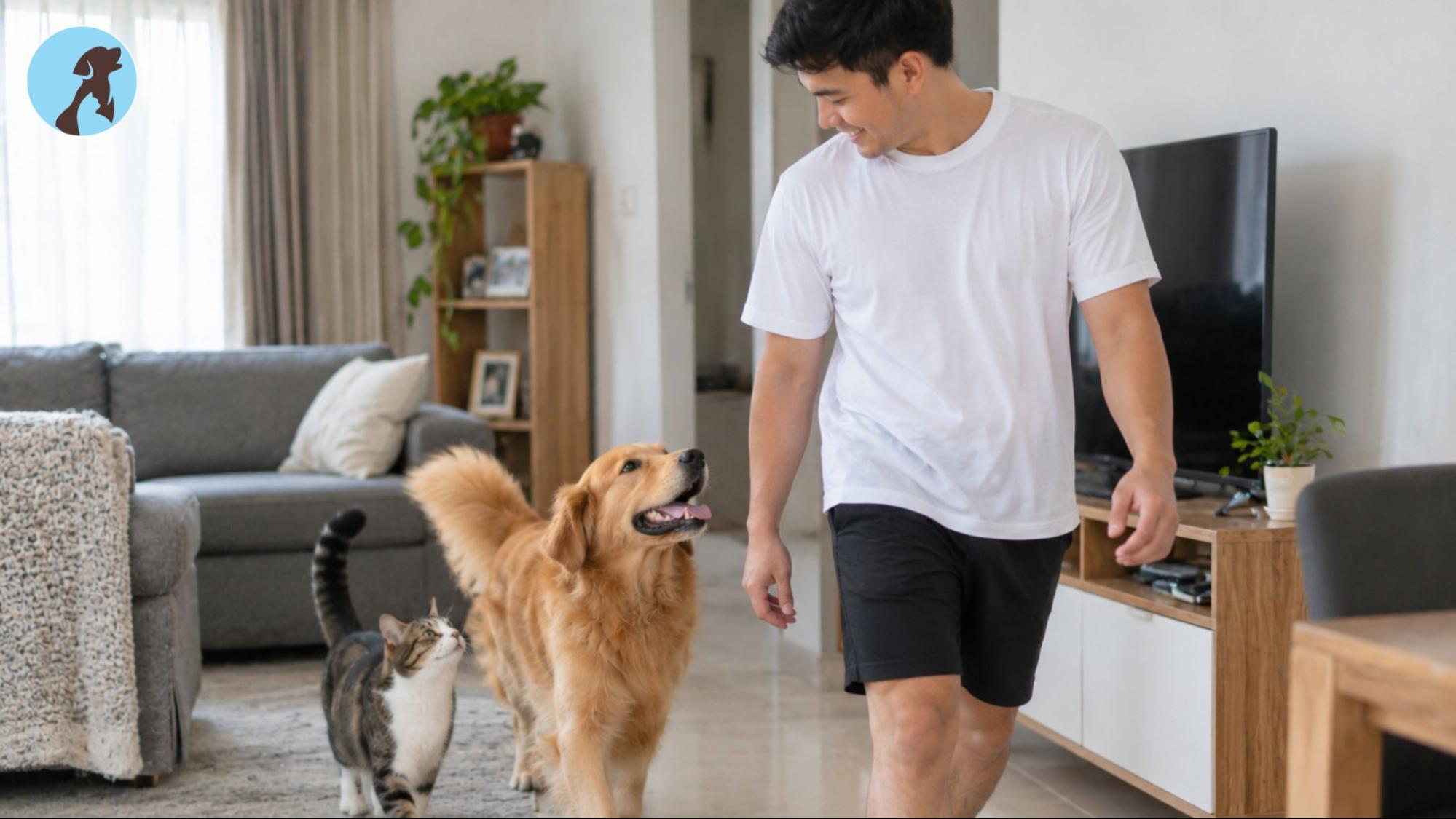
Not every pet announces their favorite person in obvious ways.
Some signs are subtle.
Your pet might:
- Choose one person’s lap over another
- Sleep beside a particular person
- Follow one individual around
- Bring toys to a specific person
- Seek comfort from someone when frightened
- Initiate physical contact
- Wait near someone’s bedroom
- Respond more enthusiastically to one person’s voice
Pay attention to the pattern rather than one isolated behavior.
A dog choosing your spouse’s lap one evening doesn’t mean you’ve been removed from the will.
Pets, like people, can have moods.
Can a Pet’s Favorite Person Change?
Yes.
A pet’s preferences can change throughout their life.
Changes in routine, household members, work schedules, illness, aging, or major life events can influence relationships.
For example, a dog may become particularly attached to the person who starts working from home because they suddenly spend much more time together.
A cat may become closer to someone after that person begins offering daily play sessions.
This doesn’t mean your pet has “betrayed” you.
It simply means relationships evolve.
Can You Become Your Pet’s Favorite Person?
You can’t force a pet to choose you, but you can create the conditions for a stronger relationship.
Try these simple strategies:
Spend One-on-One Time Together
Put your phone down and give your pet your full attention.
Play a game. Practice simple training exercises. Go for a walk. Sit together quietly.
Quality time doesn’t always need to be dramatic.
Learn Their Communication Style
Understanding body language is one of the most valuable parts of pet behavior.
Watch for signs that your pet is comfortable, excited, nervous, overstimulated, or asking for space.
When you respect those signals, you build trust.
Use Positive Reinforcement
Reward behaviors you want to encourage.
Treats, praise, toys, and play can make training enjoyable while strengthening your relationship.
This is also where responsible pet behavior training can make a major difference.
Create Predictable Routines
Pets generally benefit from consistency.
Regular meal times, walks, play sessions, and bedtime routines can help them feel secure.
And yes, your pet may eventually remind you that dinner is exactly three minutes late.
They have clocks. Apparently.
When Pet Behavior Becomes a Concern
Favorite-person behavior is usually nothing to worry about.
However, sudden changes in behavior deserve attention.
If a normally social pet suddenly becomes withdrawn, aggressive, fearful, unusually clingy, or stops interacting normally, consider whether something has changed.
Pain, illness, stress, environmental changes, or fear can all affect behavior.
When behavior changes are sudden, severe, or persistent, talk with your veterinarian. For complicated or ongoing behavior problems, a qualified pet behavior specialist may also be able to help identify triggers and develop a safe behavior plan.
The goal isn’t simply to make a pet behave differently. It’s to understand why they’re behaving that way.
The Bottom Line: Your Pet’s Favorite Person Isn’t Everything
Having a favorite person doesn’t mean your pet doesn’t love everyone else.
Dogs and cats can form meaningful relationships with multiple people. Their preferences may simply reflect who makes them feel comfortable, safe, entertained, understood, or cared for at a particular stage of life.
So if your pet runs past you to greet someone else, don’t take it personally.
Keep showing up.
Keep playing.
Keep offering treats.
Keep respecting their boundaries.
And remember: today’s overlooked human may become tomorrow’s favorite person.
Although, if you’re competing against someone who controls the treat jar, we make no promises.
Conclusion
Pets may not be able to tell us exactly why they prefer one person, but their behavior gives us plenty of clues.
The strongest bonds are often built through everyday moments: feeding, playing, walking, training, comforting, respecting boundaries, and simply being present.
Whether you’re trying to understand if cats have a favorite person, wondering if dogs have a favorite person, or just trying to figure out why your dog loves your neighbor more than you, paying attention to your pet’s behavior can reveal a lot.
And even if you’re not currently the favorite, there’s always hope.
Start with a treat.
Then another.
We’re not saying bribery works.
We’re just saying your pet probably isn’t going to complain.
Frequently Asked Questions
Do dogs have a favorite person?
Yes, many dogs develop stronger attachments to particular people. Time spent together, positive experiences, caregiving, play, training, and feeling safe can all influence a dog’s preference.
Do cats pick a favorite person?
Many cats form stronger bonds with certain people. Cats may prefer humans who respect their boundaries, provide consistent care, and interact with them in ways they enjoy.
Why does my pet follow one person everywhere?
Following can be a sign of attachment, trust, routine, or a desire for attention. However, sudden excessive clinginess can sometimes indicate stress or illness and should be monitored.
Can a pet’s favorite person change?
Yes. Changes in routines, household dynamics, activities, and the amount of time spent together can influence a pet’s relationships over time.
When should I contact a pet behavior specialist?
Consider professional help when behavior problems are persistent, severe, or creating safety concerns, especially with aggression, extreme fear, separation-related problems, or major changes in behavior.